


Introduction
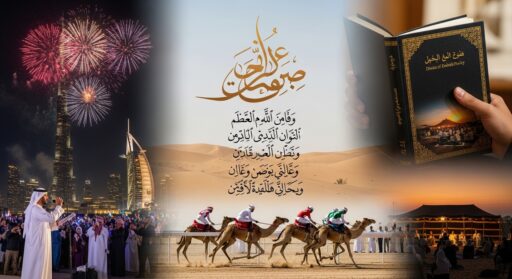
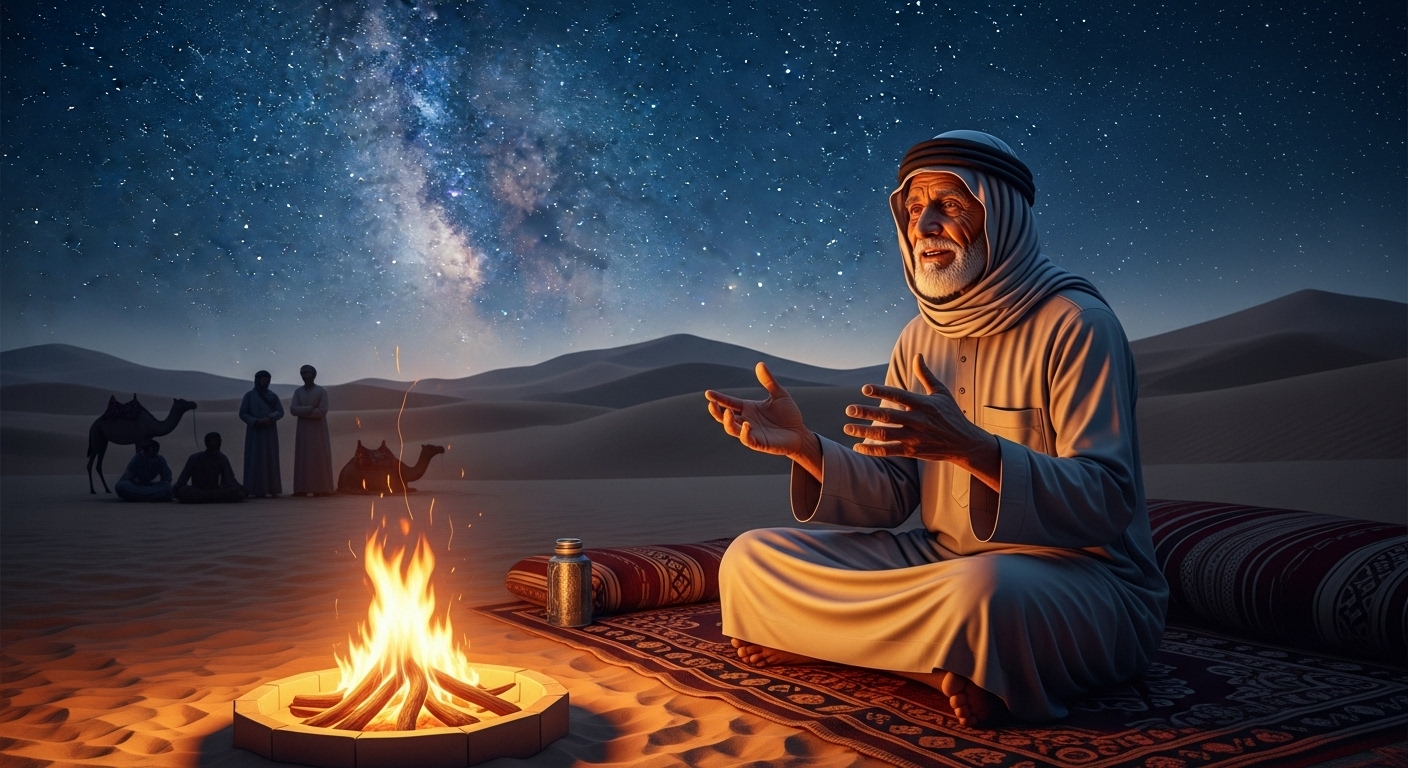
Nabati poetry stands as one of the most cherished and enduring art forms in the United Arab Emirates, representing the spoken soul of the Arabian Peninsula. This traditional form of vernacular verse, often called “the people’s poetry,” has served for centuries as the primary medium for storytelling, social commentary, and cultural expression among the Bedouin tribes of the region. Unlike classical Arabic poetry, which follows strict grammatical rules, Nabati poetry thrives in the spoken dialect of the common people, making it accessible, immediate, and deeply resonant.
History
The roots of Nabati poetry stretch back hundreds of years, emerging from the oral traditions of the Arabian desert. It was the poetry of the everyday person—the camel herder, the pearl diver, the farmer, and the warrior. Historically, it functioned as the news service, historical record, and social network of the desert communities. Poets were highly respected figures who could articulate collective joys, sorrows, and grievances. They used poetry to negotiate truces between tribes, to celebrate victories, to lament losses, and to pass moral and practical wisdom from one generation to the next. Its preservation relied entirely on memory and recitation until relatively recent times when efforts began to document this rich oral heritage.
Key Features
Nabati poetry is characterized by its use of the local dialect rather than formal Classical Arabic, making it immediately understandable to its audience. It follows a simpler rhythmic structure than classical poetry, typically organized in sixteen-meter lines (called Al-Bahr Al-Khaliji). The themes are deeply rooted in daily life and universal human experiences: love, courage, desert life, nostalgia, wisdom, and social issues. The imagery is drawn directly from the environment—camels, horses, desert landscapes, stars, and the sea feature prominently. The language is often direct and powerful, though it can also be richly metaphorical.
Cultural Significance
The cultural significance of Nabati poetry cannot be overstated. It is the authentic voice of Emirati heritage, encapsulating the values, history, and worldview of its people. Poetry gatherings, or “mjaless,” were and still are, a central social activity where poets compete in friendly improvisational contests, showcasing their wit and eloquence. A skilled poet could bring great prestige to their tribe. The poetry also served as a powerful tool for forging and strengthening social bonds, resolving conflicts, and maintaining a collective identity. It was, and remains, a living, breathing archive of the Emirati spirit.
Modern Relevance
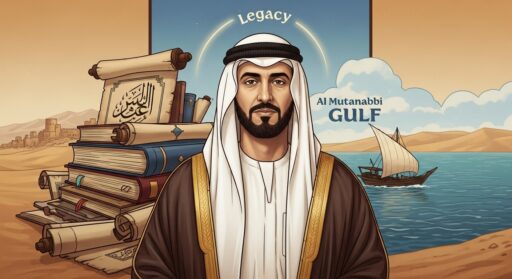
In contemporary UAE, Nabati poetry has not only survived but has been powerfully revitalized. It enjoys a prominent place in modern media, with dedicated television shows like “Million’s Poet” and “Prince of Poets” attracting millions of viewers and turning master poets into national celebrities. The current leadership of the UAE, including His Highness Sheikh Mohammed bin Rashid Al Maktoum, are themselves respected poets, using Nabati verse to communicate with the citizenry on matters of national pride and social importance. This has ensured that the art form remains relevant, dynamic, and continues to be a vital channel for cultural expression among the youth.
Conclusion
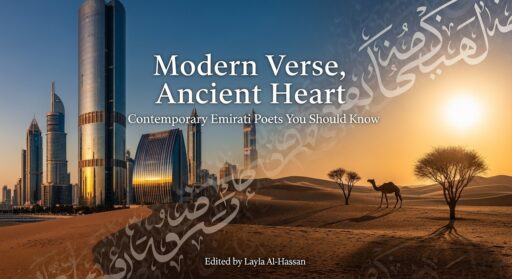
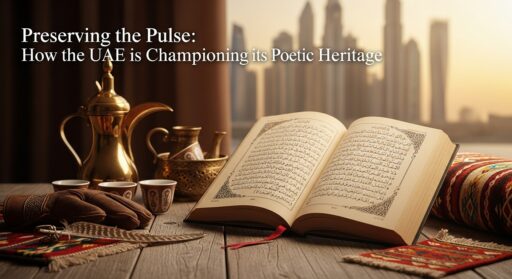
Nabati poetry is far more than a historical artifact; it is a vibrant and essential thread in the fabric of contemporary Emirati culture. It represents an unbroken line connecting the modern, technologically advanced nation with its deep Bedouin roots. As the UAE continues to evolve at a breathtaking pace, Nabati poetry stands as a resilient and beloved guardian of the language, values, and shared memories that define the nation’s unique identity, proving that the spoken soul of the desert is as powerful today as it ever was.